Queer Gaze est la rubrique de notre journaliste Timé Zoppé sur le cinéma LGBTQ+.
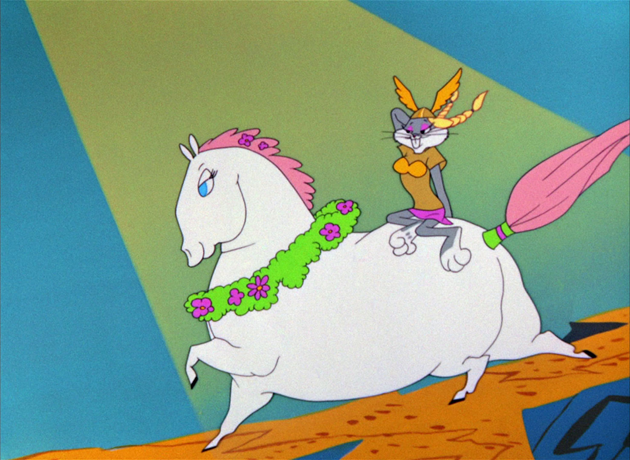
« Quand j’étais enfant, dans les années 1960 — j’avais peut-être 8 ou 9 ans — les classiques des Looney Tunes que Warner Brothers avait produits pour le cinéma connaissaient une seconde vie à la télévision, remontés en programmes d’une demi-heure intitulés The Bugs Bunny Show. Mes préférés étaient deux épisodes aujourd’hui devenus cultes — « Duck Amuck » et « What’s Opera, Doc?». Dans le premier, Daffy se bat avec le dessinateur qui le crée, lequel se révèle être Bugs. « Quel gros naze », dit Bugs à la fin. Il y avait quelque chose dans la mutabilité du corps animé qui résonnait profondément en moi. Quant à « What’s Opera, Doc?», c’est le meilleur des cartoons où Bugs se travestit. Bugs y incarne une Brunhilde [célèbre valkyrie de la mythologie nordique, ndlr] canon. Même si c’est aussi de là que vient le fameux refrain « Kill the wabbit » [prononcé par le personnage d’Elmer, à la poursuite de Bugs, ndlr]. La transgression des normes de genre est sanctionnée.
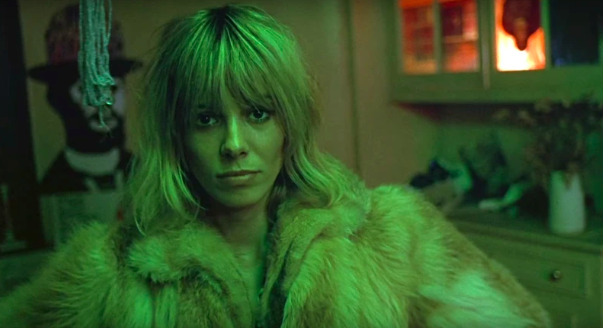
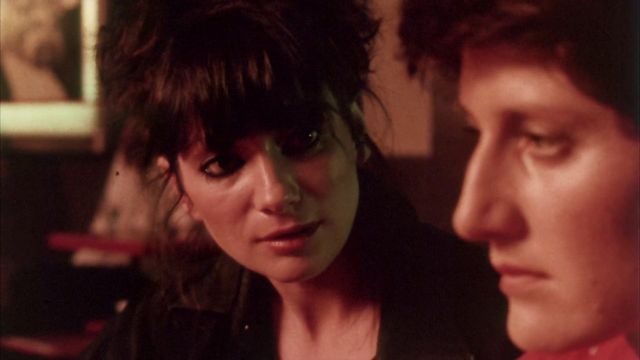
J’ai probablement vu Performance [de Donald Cammell et Nicolas Roeg, 1970, ndlr] à la fin de mon adolescence ou au début de ma vingtaine. Il y avait un formidable cinéma de répertoire dans le quartier de Glebe, à Sydney, qui s’appelait le Valhalla, et j’y allais régulièrement. Je suis presque sûre que c’est là que je l’ai découvert. L’histoire de ce gangster hyper macho qui se retrouve mêlé à une bande de bohèmes drogués — une version plus glamour de la manière dont nous vivions à Glebe à l’époque. Bien sûr, je voulais être Anita Pallenberg. Mick Jagger erre nonchalamment, bricolant des synthétiseurs. Anita dit à propos de son personnage : « Il a perdu son démon et il ne sait pas s’il veut le retrouver ». L’artiste comme possédé. Le dérèglement des sens. Mick et Anita font prendre au gangster (interprété par Edward Fox) une quantité absurde de champignons et le « féminisent » de force. Je ne m’identifiais pas à son personnage — je voulais être Mick et Anita — mais ce moment de devenir-femme m’a paru d’une beauté saisissante.
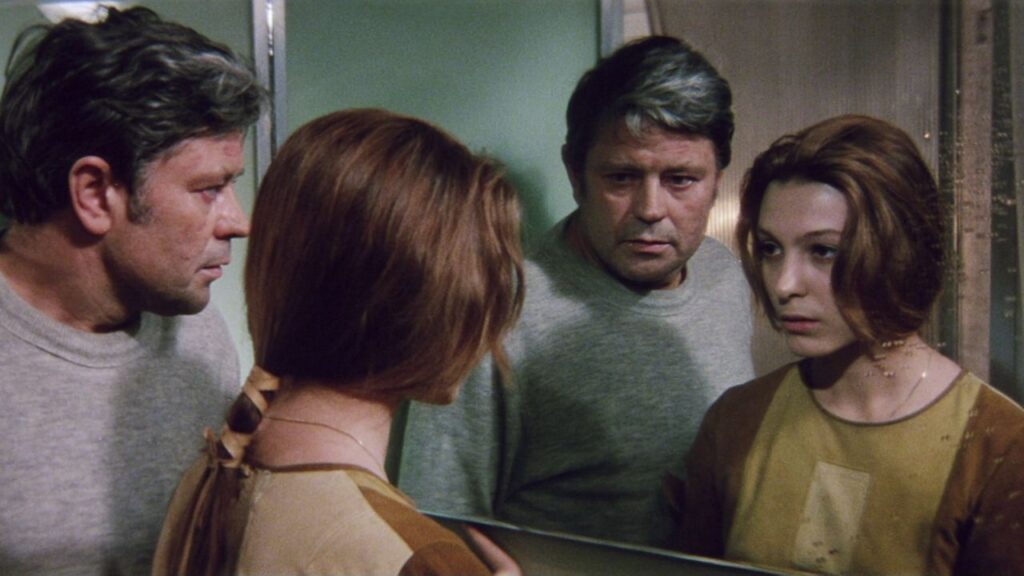
Solaris [d’Andreï Tarkovski, 1972, ndlr] reste l’un de mes films préférés. Je l’ai vu aussi au Valhalla, au début de ma vingtaine. Il y a tant de choses à dire sur ce film, mais Natasha Bondarchuk y est tout simplement magnétique. Il est « trans-codé », dans la mesure où son personnage lutte pour se sentir réel. Elle veut simplement être aimée pour elle-même, pas comme une copie de quelqu’un d’autre. Comme la plupart des films, il est structuré par le regard masculin, par les angoisses du protagoniste homme, mais ce qui caractérise une lecture trans, c’est que — comme une lecture camp — il s’agit de produire son propre sens. La lecture transféminine consiste à adopter le point de vue d’une femme qui lutte depuis l’intérieur et contre le récit du film, mais aussi contre l’ensemble du cinéma. C’est une allégorie de la lutte du féminin contre le monde.
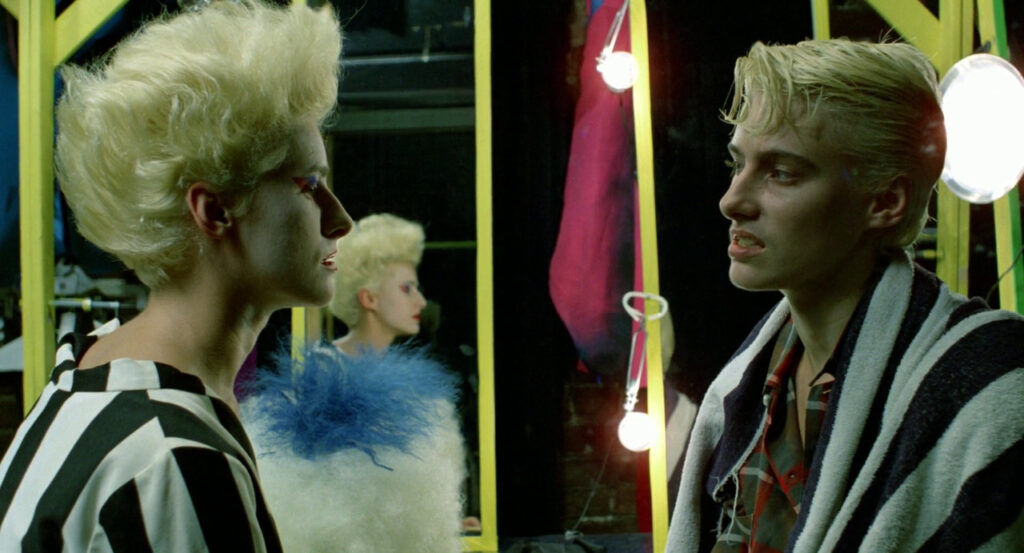
Je n’oublierai jamais la première fois que j’ai vu Liquid Sky [de Slava Tsukerman, 1982, ndlr], avec mon amie Shelley Kay. C’était en 1984, j’avais 23 ans. Le film se déroule dans une bohème new-yorkaise downtown à laquelle nous aspirions, depuis nos provinces. Anne Carlyle y joue à la fois Margaret et Jimmy, parfois dans la même scène. Dans les années 1980, je pensais que la fluidité de genre me sauverait. Je croyais que c’était un espace que je pouvais habiter. Ça fonctionne pour certaines personnes, mais moi j’ai dû transitionner. Je ne le comprenais pas encore. Des films comme Liquid Sky rendaient la vie possible — au moins pour un temps. J’aime toujours ce film. C’est incroyable qu’il ait fallu une bande de Russes exilés pour faire un film aussi parfaitement new-yorkais. C’est aussi un film sur la violence sexuelle. Il faut le voir du point de vue du féminin — qui existe dans le film parce qu’Anne Carlyle l’a coécrit. Mes sentiments à son égard sont complexes — le désir de cette féminité que le monde ne cesse de violer, et pourtant le désir de cette féminité malgré tout.
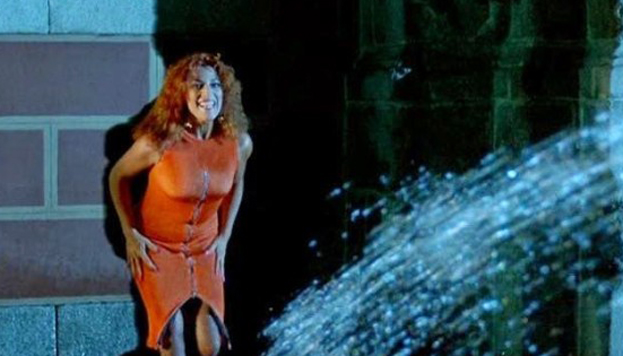
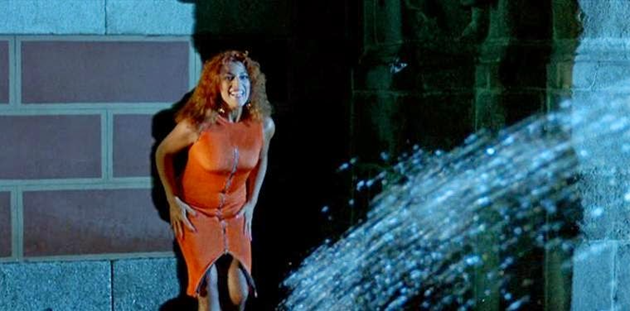
La Loi du désir d’Almodóvar est sorti quand j’avais 26 ans [en 1987, ndlr]. Je l’ai vu au Dendy Cinema, à Martin Place, à Sydney. Mon ami Steve Cummins en était le projectionniste. Il m’arrivait de venir m’asseoir avec lui dans la cabine pour lui tenir compagnie. C’était un cinéaste gay pionnier, mort bien trop jeune. C’est lui qui avait insisté pour que nous allions voir La Loi du désir. J’y étais avec un groupe d’amis, et nous avons tous été bouleversés.
Enfin, un film qui considérait comme allant de soi le monde dans lequel nous vivions. Il a eu pour moi d’autres résonances : c’était la première fois que je voyais une femme trans représentée avec empathie. Carmen Maura est incroyable dans le rôle de Tina. Eusebio Poncela est super hot dans celui de son frère gay, cinéaste. Almodóvar a, selon moi, un parcours inégal avec les personnages trans, mais celui-ci fait partie des réussites. Et bien sûr, c’est un film sur l’amour fou, la folie de l’amour. C’est toujours mon préféré de lui, et le premier à être pleinement accompli.
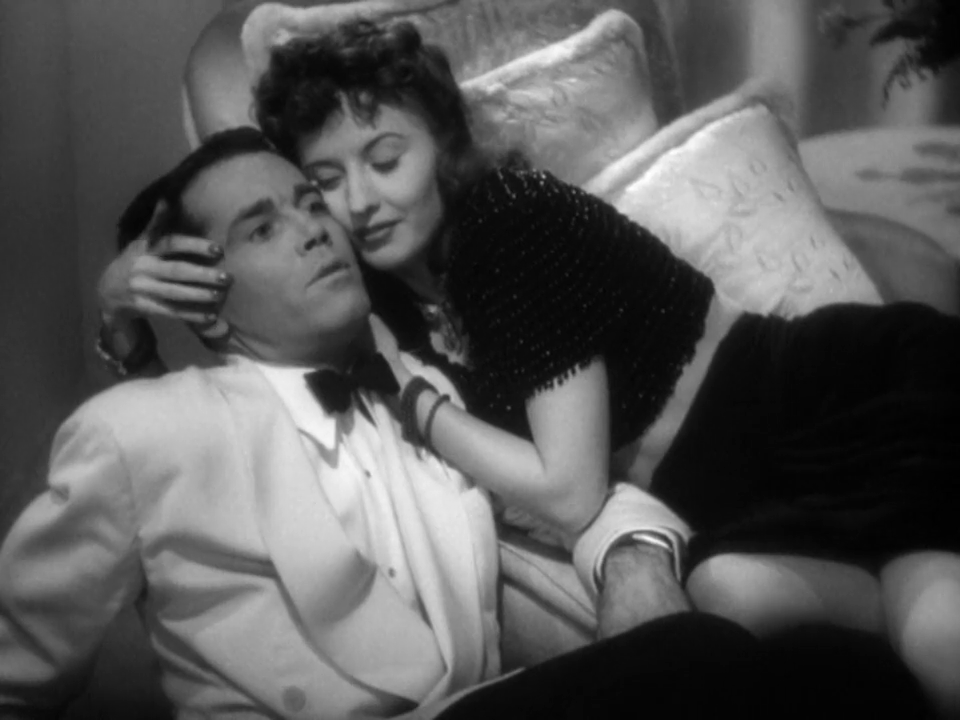
Il y a tant de films du Hollywood classique que je pourrais mentionner qu’il est difficile d’en choisir un seul. Je vais opter pour The Lady Eve, de Preston Sturges [Un cœur pris au piège en VF, 1941, ndlr], avec Barbara Stanwyck dans le rôle d’Eve. Ce que j’aime le plus dans le Hollywood des années 1940, c’est la figure de la broad [un terme vieilli que l’on pourrait traduire par « pépée » ou « poupée » en français, ndlr]. Toutes les broads sont des femmes, mais toutes les femmes ne sont pas des broads. La broad sait que les cartes sont truquées contre elle. Elle exploite tous les angles possibles pour s’en sortir. Elle a une carapace dure, mais veut profondément aimer et être aimée. Ses sœurs du monde réel constituaient une part importante du public, donc Hollywood devait lui faire une place à l’écran, dans une représentation avantageuse. Howard Hawks avait une affection particulière pour ces figures. Barbara Stanwyck est peut-être à son sommet dans ce film, qui expose sans détour la contradiction entre la ruse féminine dans un monde misogyne et le désir sincère d’amour et de réciprocité. Henry Fonda est parfait en naïf attachant qui tombe amoureux d’elle — et dont elle tombe amoureuse. Je ne sais plus quand je l’ai vu pour la première fois, mais dans ma trentaine, je regardais beaucoup de ces films hollywoodiens de cette époque en vidéo. Je prenais des notes sur les leçons de la broad.
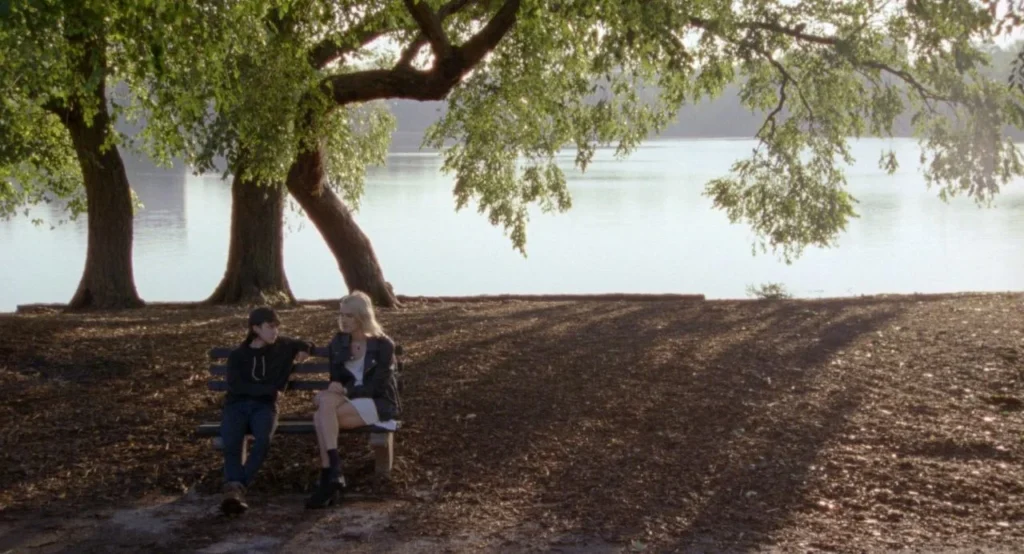
Il n’y a pas tant de films avec des personnages trans, du moins tels que les personnes trans auraient envie de les voir, et il y a encore moins de films réalisés par des cinéastes trans. Mon préféré est So Pretty, de Jessica Dunn Rovinelli. J’étais à la première new-yorkaise en 2019. Je n’étais pas sortie depuis très longtemps à l’époque. Le film a été une révélation. Les personnages trans y sont simplement là. Ils existent dans un monde presque utopique où la transsexualité n’est pas un sujet. Le film suit un quatuor de femmes, certaines peut-être trans, d’autres hommes cis efféminés, dont les relations se déplacent et se recomposent au fil du récit. La caméra ne s’impose jamais à elles, elle glisse à travers les scènes. Tout est regardé avec tendresse. J’ai appris à connaître Jessica après la projection (à vrai dire, je crois maintenant connaître toutes les personnes ayant joué dans le film ou qui y ont travaillé). Jessica et moi avons réalisé ensemble un court métrage, Life Story, qui a remporté le prix Alice Guy au Festival international du film de Marseille.
Ce dernier est hors chronologie, mais pas vraiment. J’ai vu Going Down [de Malcolm Richards, 1983, ndlr] dans l’arrière-salle d’un bar (un pub, comme on dit) probablement en 1982, à sa sortie, ou en 1983. J’étais au début de ma vingtaine et je venais d’arriver à Sydney. J’avais rencontré des femmes trans pour la première fois, à Kings Cross, où le film se déroule en partie. Il y a eu un moment où j’aurais pu transitionner à ce moment-là, au lieu d’attendre si longtemps. Le film parle de cette scène un peu louche du centre-ville de Sydney. Les scénaristes et les acteurs principaux étaient un peu plus âgés que moi. Le film décrit la scène un ou deux ans avant mon arrivée, mais tout y est incroyablement reconnaissable. Les groupes punk — mon groupe local, Pel Mel, y apparaît. Les fêtes en appartement. Le travail du sexe comme l’un des rares moyens de subsistance. La consommation de drogues, dangereuse et intense. Beaucoup de mes amis de cette époque n’en sont pas sortis vivants. Il y a des traces de ce monde dans mon livre Trans Amazone. Le film a été ressorti aux États-Unis en 2025, et cela a été très émouvant de se souvenir de certaines choses que j’avais oubliées — du film, et de ce monde. Il y a une scène de cabaret drag que j’avais complètement oubliée, et une scène en coulisses avec l’artiste drag, interprété par David Argue, qui vole littéralement le film. Si j’avais fait mon coming out à ce moment-là, ça aurait pu être ma vie. »
[English below]
When I was a child back in the sixties, maybe 8 or 9, the classic Looney Tunes that Warner Brothers made for the cinema were having a second life on television, edited together into half hour programs called The Bugs Bunny Show. My favorites were two now famous ones — Duck Amuck and What’s Opera Doc. In the former, Daffy is fighting with the cartoonist who is drawing him, who turns out to be Bugs. « Ain’t I a stinker, » Bugs says in the end. There’s something about the mutability of the animated body that struck a chord in me. As for What’s Opera Doc, it’s the best of the Bugs cross-dressing cartoons. Bugs makes a hot Brunhilde. Although it is where the famous « Kill the wabbit » refrain comes from. There’s a penalty for breaking out of gender norms.
I probably saw Performance in my late teens or early twenties. There was a great repertory cinema in Glebe, Sydney called The Valhalla and I used to go regularly. Pretty sure that’s where I first saw it. The story of the macho gangster falling in with a bunch of druggy bohemians—a more glamorous version of how we lived in Glebe in those days. Of course I wanted to be Anita Pallenberg. Mick Jagger swans about, noodling on synthesizers. Anita says of his character, « he’s lost his demon and he doesn’t know if he wants it back. » The artist as possessed. The derangement of the senses. Mick and Anita get the gangster (played by Edward Fox) high on a shit-ton of mushrooms and force femme him. I didn’t connect with his character — I wanted to be Mick and Anita — but the becoming femme moment was so beautiful to me.
Solaris remains one of my favorite movies. I would have seen that too at the Valhalla in my early twenties. There’s so many things about it, but Natasha Bondarchuk is just riveting in it. It’s trans-coded in that she is struggling to feel real. She just wants to be loved as herself, not as a copy of anyone. Like most of cinema its structured around the male gaze, around the anxieties of the male protagonist, but the thing about trans reading is that its like camp reading, you have to make your own meaning. The trans femme reading is to take the point of view of woman struggling in and against not just the narrative within the film but in and against the whole of cinema. It’s an allegory for the femme struggle against the world.
I’ll never forget seeing Liquid Sky for the first time, with my friend Shelley Kay. It came out in 1984 so I was 23. It’s set in a downtown New York bohemia which we aspired to, out in the provinces. Anne Carlyle plays both Margaret and Jimmy, sometimes in the same scene. Back in the eighties, I thought gender fluidity would save me. I thought it was a space I could occupy. Works for some people but I had to transition. I didn’t understand that yet. Films like Liquid Sky made it possible to live, at least, for a while. I still love that film. It’s wild that it took a bunch of exiled Russians to make such a perfect New York downtown film. It’s also a film about sexual violence. You have to see it from the femme point of view — which is in there because Anne Carlyle co-wrote it. My feelings about that film are complicated — about wanting that femininity that the world so repeatedly violates, but wanting it anyway.
Almodovar’s Law of Desire came out when I was 26. I saw it at the Dendy Cinema, Martin Place, Sydney. My friend Steve Cummins was the projectionist there. Sometimes I’d come sit with him in the bio box to keep him company. He was a pioneering gay film maker who died far too young. He’d insisted we come see Law of Desire. I was there with a group of friends and we were all just knocked out by it. Finally, a film that took for granted the kind of world in which we lived. It had other resonances for me, as it was the first time I’d seen a trans woman portrayed sympathetically. Carmen Maura is so great as Tina. Eusebio Poncela is just ridiculously hot as her gay brother, the film maker. Almodovar has for me a mixed record with trans characters, but this is one of the better ones. And of course it’s about amour fou, the madness of love. Still my favorite of his films and the first that was fully realized.
There’s so much classic Hollywood I could mention, it’s hard to pick just one film. I’ll go with The Lady Eve, Preston Sturges with Barbara Stanwyck as Eve. The thing I love most about Hollywood in the forties is the figure of the broad. All broads are women but not all women are broads. The broad knows the cards are stacked against her. She works any angle she can to get by. She has a tough outer shell but really wants to love and be loved. Her real-world sisters were a big part of the movie-going audience so Hollywood had to make room for her sympathetic portrayal on screen. Howard Hawkes was particularly fond of broads. Barbara Stanwyck maybe did her best in this film, which is frank about the contradiction between feminine trickery in a misogynistic world, and the real desire for love and reciprocity. Henry Fonda is pretty perfect as the lovable fool who falls for her, and for whom she falls. I have no idea when I first saw this one, but in my thirties I was watching a lot of these period Hollywood films on video. Taking notes on the lessons of the broad.
There aren’t that many films with trans characters in the tham trans people would want to see, and there’s even fewer films by trans directors. My favorite is Jessica Dunn Rovinelli’s So Pretty. I was at the New York premiere in 2019. I hadn’t been out for long at the time. The film was a revelation. The trans characters in it just are. They exist in an almost-utopian world where transsexuality is unremarkable. The film follows a quartet of femmes, some maybe trans women, some effeminate cis men, whose relationships shift over the course of the film. The camera never intrudes on them, it pans across scenes. Everything is lovingly seen. I got to know Jessica after the premiere (indeed I think I now know everyone who was in it or worked on it). Jessica and I made a short film together, Life Story, which won the Alice Guy Award at Marseille International Film Festival.
This last one is out of order, but also not. I saw Going Down in the back of a bar (a pub, we would say) probably in 1982 when it came out or 1983. I would have been in my early twenties and new to Sydney. I’d met trans women for the first time, in Kings Cross where this film is partly set. There was a moment when I might have transitioned then, rather than wait so long. The film is about the rather louche « inner city » scene in Sydney. The film’s script writers and lead actors were a bit older than me. It’s a film about the scene a year or two before I got there, but it’s so recognizable. The punk bands —my hometown band Pel Mel is in it. The house parties. Sex work as one of the few avaialble ways to make a living. The dangerously heavy drug use. A lot of my friends from those days didn’t make it out of those years alive. There’s some of this world in my book, Trans Amazone. The film got reissued in America in 2025 and it was so moving to be reminded of some things I’d forgotten about this film, and that world. There’s a drag cabaret scene I’d forgotten and a scene backstage with the drag performer, played by David Argue who steals the film. If I’d come out then, that could have been my life.